
Almost every trader does this at some point. Most do it again and again, and never really notice the pattern — because in the moment it always feels like "this one's different." It isn't.
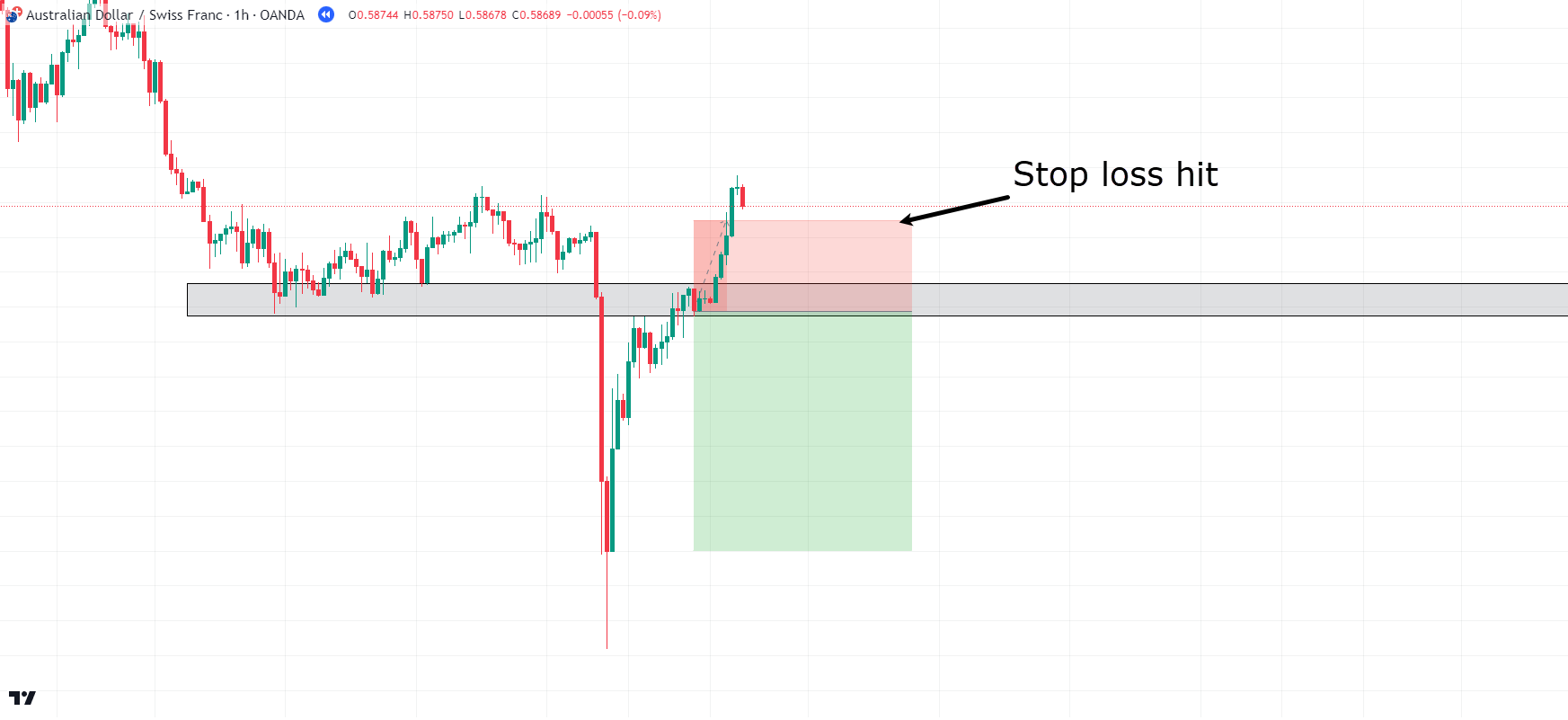
What actually happens
A small loss becomes a big one. You planned to lose 1%. You moved the stop, then moved it again. Now you're down 3% on a trade that was supposed to be your smallest risk of the day.
You're avoiding being wrong. Taking the stop means admitting the trade was wrong. Moving it means you can keep pretending it's still a good idea.
You're hoping it comes back. Hope isn't a trade plan. The second your reason for staying in is "it might bounce," you've stopped trading and started gambling.
Why traders do it
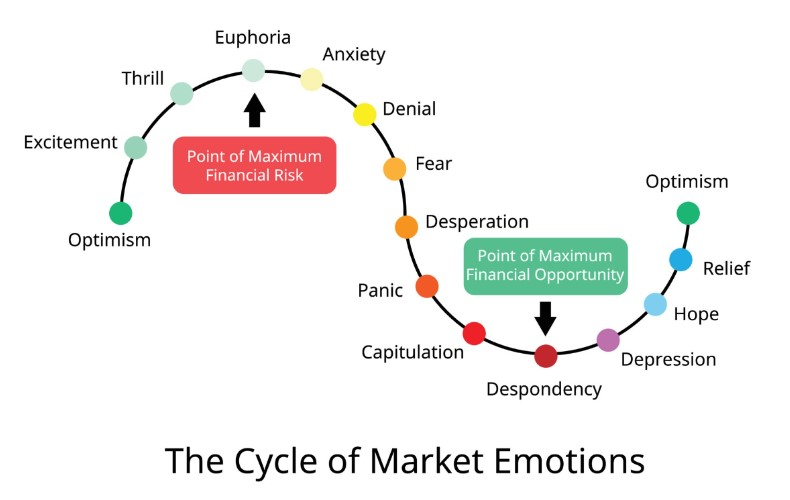
Loss aversion. Losing hurts roughly twice as much as winning feels good. Moving the stop isn't a strategy — it's pain avoidance dressed up as analysis.
Fear of taking the L. A red number on the screen is one thing. A red number that's officially "closed" is another. So you keep it open and call it "managing the trade."
Ego. You don't want to be wrong. Especially not on this setup, the one you were so confident about. Ego is expensive.
Short-term thinking. You're trying to win this trade instead of trading well across the next hundred. One protects today. The other protects your account.
The real damage
Risk management stops existing. Your "1% per trade" rule is meaningless the moment you move the stop.
"You can't have a system if you override it whenever it feels uncomfortable."
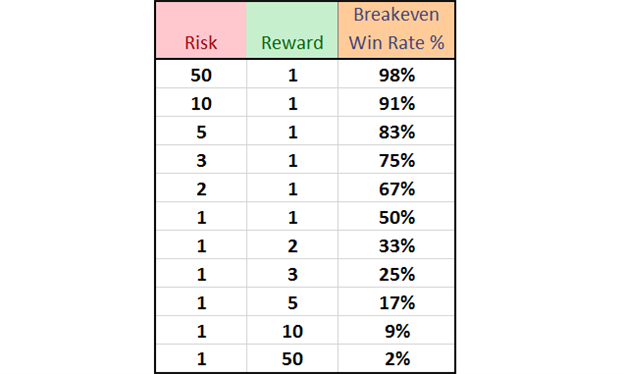
Consistency is gone. Today's loss was 1R, yesterday's was 4R, tomorrow's might be 7R. There's no system left to evaluate.
One trade wipes a week of wins. Five clean 1R wins, then one 6R loss because you wouldn't take the stop. Net result: negative. That's the math behind most blown accounts.
Why it keeps repeating
In the moment, it never feels like a habit. It feels like one specific trade where the stop was "a bit too tight."
Next week, same story, different chart. You remember the trade. You don't remember the decision.
Without tracking, every blown stop feels like a one-off. With tracking, twenty of them in a row stop looking like bad luck.
What actually fixes it
Accept losses as part of the job. A stop hit isn't failure. It's the cost of being in the game.
Define your risk before you enter. Stop, target, size — all decided before the trade is live. Once you're in, the only question is whether the original plan triggered.
Track the behaviour, not just the trade. Most journals log entry, exit, P&L. The bit you actually need is why — and what state of mind you were in when you moved that stop.
Review the pattern weekly. How many stops did you actually honour? How many did you move? You can't fix what you don't measure.
"Most traders don't realise how often they do this. That's where something like Recall Vault helps — it tracks when you break your own rules, so the pattern becomes impossible to ignore."
The takeaway
It's not bad trades that blow accounts. It's bad decisions made under pressure.
Fix the behaviour, the results follow.